Holiday Travel & Trich: Why Your Pulling Patterns May Change Away From Home

Dec 1st, 2025
Online test
Find out the severity of your symptoms with this free online test
Let’s be honest. Holidays are stressful. And, when you have trichotillomania, they can get complicated.
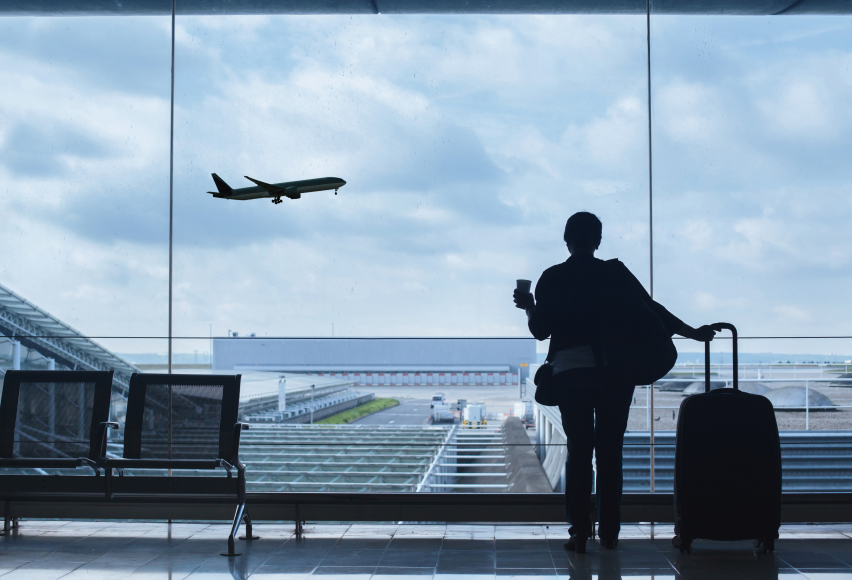
First, there’s the stress of travel – delayed flights, long car rides, unfamiliar hotel rooms. Then there's the emotional stress of holiday celebrations, the exhaustion of keeping up appearances, and the nagging worry that someone might notice your hair loss. Just the anticipation of what the holidays can bring can set off a cycle of negative thoughts that can fuel the urge to pull.
So, it’s not surprising that some people find their hair pulling worsens during the holidays. But here's something that might surprise you. Some people with trich can actually find themselves pulling less during the holidays.
There’s no doubt that the holidays present a unique challenge when you’re dealing with hair pulling. With some patience and planning, you can manage your hair pulling during this challenging season.
The Stress Connection
Studies indicate that upwards of 75% of adults with trichotillomania report that their pulling worsens during periods of heightened anxiety. With the stress that comes with the holiday season, it makes sense that the urge to pull might intensify significantly.
But here’s something interesting to consider. Sometimes the change of environment and routine can disrupt your usual pulling patterns in unexpected and even helpful ways.
Why Pulling Might Actually Decrease on Holiday
If you've noticed your hands staying away from your hair more when you're on vacation, you're not imagining it. While not the norm, some people find the holidays are a more joyful, less stressful time. This creates an interesting phenomenon: lower stress load.
Research has found that in lower stress environments, some people experience little or no pulling, and the reduction often holds steady as long as they’re in that environment.
There are several reasons why this might happen:
- Breaking the Routine: Certain routine activities tend to be closely associated with hair pulling such as driving, reading, doing paperwork, or watching tv. When you're on holiday, you're less likely to be doing these things as often. You're not in your usual spot on the couch or at your desk where pulling has become a habit.
- Increased Awareness: Being around other people, especially family or friends who might notice, creates a heightened awareness of what you’re doing which can interrupt automatic pulling before it starts.
- Positive Stress vs. Chronic Stress: Not all stress is the same, and some stress can actually be helpful. The excitement and novelty of being in a different environment may actually be stimulating and enjoyable rather than draining, unlike the grinding stress of daily life that can fuel pulling episodes.
When Holiday Travel Makes Pulling Worse
Of course, for most people, the holidays are a giant ball of stress. The demands of traveling, dealing with social situations, and even holiday indulgences can amp up the urge to pull:
- Fatigue and Overstimulation: Long days, disrupted sleep schedules, and the sensory overload from holiday travel can all lower your defenses against pulling urges. Poor sleep quality is associated with increased urges to pull.
- Emotional Triggers: Let’s be honest, family gatherings can stir up complicated emotions. Hair pulling is a way of releasing tension that often results from stress and distressing emotions.
- Loss of Coping Strategies: At home, you probably have routines, tools and strategies that you use to manage your hair pulling. Travel is a routine disruptor.
- Boredom and Downtime: Vacation should be a relaxing time but ironically, it can be a trigger too. Long car rides and airport delays can create boredom and trigger those automatic pulling moments.
Practical Strategies for Managing Pulling During Holiday Travel
Whether you think holiday travel is enjoyable or stressful, the key to managing it is to be prepared as best you can. Think about the potential stressors and what you can do or bring with you to help you navigate that time. Here are some planning tips:
Build “Pause Packs”
Pause packs are packages of things you can reach for when you get the urge to pull. Things like fidget toys, a stress ball, hand lotion, or a crunchy snack can disrupt the urge to pull. Make several small packs and keep them within easy reach.
Know Your High-Risk Moments
Before you travel, think about when you typically pull. Is it during downtime? In bed? When anxious? Awareness is key. Plan specific strategies for those moments.
Keep Your Hands Busy
On flights or car rides, bring activities that occupy your hands such as a coloring or doodle pad or a game on your tablet.
Enlist A Buddy
Consider letting a trusted travel companion know you're working on managing this habit and let them know how they can help if they notice you becoming distressed or starting to pull.
Be Gentle With Yourself
Holiday travel is challenging for everyone. If you pull more than usual, it’s not a sign of weakness. Give yourself grace and move forward without shame.
The Bottom Line
Whether your pulling increases or decreases during holiday travel, understanding the "why" behind these patterns gives you power. Keep your focus on awareness, preparation, and self-compassion. Let mindfulness guide you through the season. When you prioritize your well-being, you can enjoy all that the holidays have to offer without compromising the progress you’ve made.
If holidays are challenging for you, you don’t have to struggle alone. Trichstop has online tools and resources to help. We also have a team of experienced therapists who can help you find strategies to navigate the holidays with confidence. And online services mean you can see your therapist when it’s most convenient for you, even if you’re traveling. When you’re ready, Trichstop is here to help.
References
2. Grant, J. E., Redden, S. A., Leppink, E. W., & Chamberlain, S. R. (2017). Trichotillomania and co-occurring anxiety. Comprehensive psychiatry, 72, 1–5. https://pmc.ncbi.nlm.nih.gov/articles/PMC5330411/
2. Christenson, G. A., Mackenzie, T. B., & Mitchell, J. E. (1991). Characteristics of 60 adult chronic hair pullers. The American journal of psychiatry, 148(3), 365–370. https://pubmed.ncbi.nlm.nih.gov/1992841/
3. Pereyra AD, Saadabadi A. Trichotillomania. [Updated 2023 Jun 26]. In: StatPearls [Internet]. Treasure Island (FL): StatPearls Publishing; 2025 Jan-. Available from: https://www.ncbi.nlm.nih.gov/books/NBK493186/
4. Cavic, E., Valle, S., Chamberlain, S. R., & Grant, J. E. (2021). Sleep quality and its clinical associations in trichotillomania and skin picking disorder. Comprehensive Psychiatry, 105. Retrieved from https://doi.org/10.1016/j.comppsych.2020.152221
Online test
Find out the severity of your symptoms with this free online test

Start your journey with TrichStop
Take control of your life and find freedom from hair pulling through professional therapy and evidence-based behavioral techniques.
Start Now